Polarized vs UV Protection Sunglasses: What’s the Real Difference?
When shopping for sunglasses, you’ve probably seen labels shouting “Polarized!” or “UV400 Protection.” A lot of people assume they do the same thing, or that darker lenses automatically mean better protection. They don’t.
Polarization and UV protection are two completely different technologies that solve two different problems. Understanding the difference helps you choose the right pair — especially if you fly.
Who This Is For
This is written for pilots, aviation enthusiasts, and anyone who wants clear answers instead of marketing claims when buying sunglasses.
What UV Protection Actually Does
UV protection blocks invisible ultraviolet radiation. The two types that reach the ground are:
- UVA (315–400 nm) — penetrates deeper and contributes to long-term damage
- UVB (280–315 nm) — primarily affects the surface of the eye
UV400 (or 100% UVA/UVB) means the lenses block virtually all of both up to 400 nanometers. This is the standard you want.
UV damage is cumulative and silent. You don’t feel it the way you feel bright sunlight. Over time it raises the risk of cataracts, macular degeneration, and other issues. At altitude the UV load is higher, so this is non-negotiable for pilots.
Important: Darker lenses do not equal better UV protection. A heavily tinted lens with no UV coating can be worse because it makes your pupils dilate and lets more unprotected UV in.
What Polarization Actually Does
Polarization has nothing to do with blocking UV. It reduces glare.
Glare is horizontally polarized light that bounces off flat surfaces (water, roads, clouds, the canopy, etc.). Polarized lenses contain a filter that blocks most of that horizontal light while letting vertical light through. The result is less eye strain, better contrast, and clearer vision in bright, reflective conditions.
Traditional polarization works well for driving, fishing, and general outdoor use. The problem appears when you look at digital displays. Many MFDs and LCD screens also use polarized light. When the two filters conflict, you get blackout, rainbow effects, or washed-out screens.
That is why so many aviation sources still recommend non-polarized sunglasses for glass cockpits. The advice protects the instruments, but it also leaves you without effective glare reduction.
The Clear Difference
| Feature | UV Protection | Polarization |
|---|---|---|
| Primary job | Blocks invisible UV rays | Reduces horizontal glare |
| Health benefit | Long-term eye protection | Less eye strain and fatigue |
| Visible effect | None (UV is invisible) | Sharper vision, less squinting |
| Required for pilots? | Yes — always | Useful, but only if screen-compatible |
They are independent. You can (and should) have both.
What Pilots Should Actually Buy
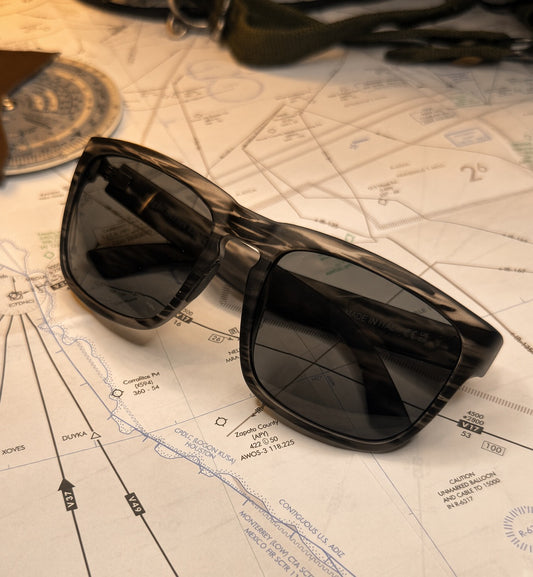
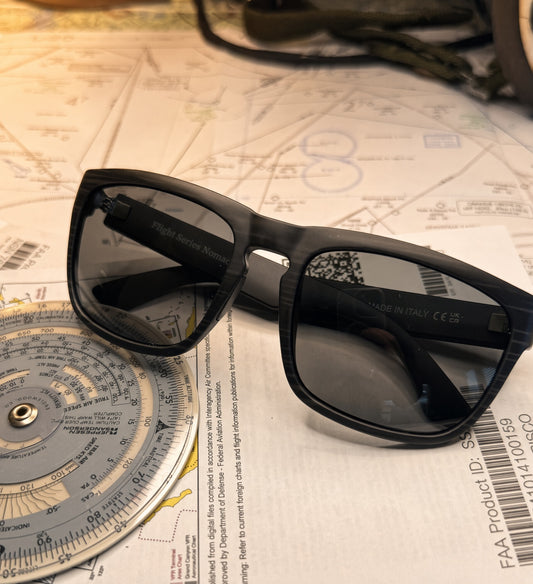
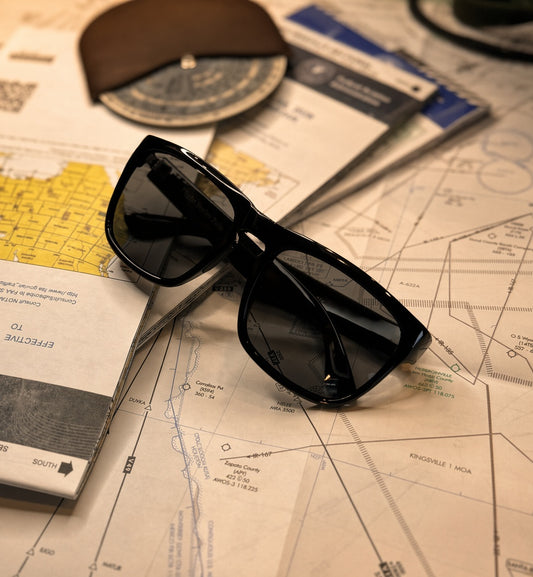
The ideal combination is full UV400 protection plus polarization that stays mostly compatible with MFDs and digital cockpit displays. That is what Flight Series calls Pilot Polarized lenses.
You get glare reduction without the blackout risk that comes with ordinary polarized sunglasses, plus the UV protection that is mandatory at altitude.
If you want the pair that delivers both right now, start here:
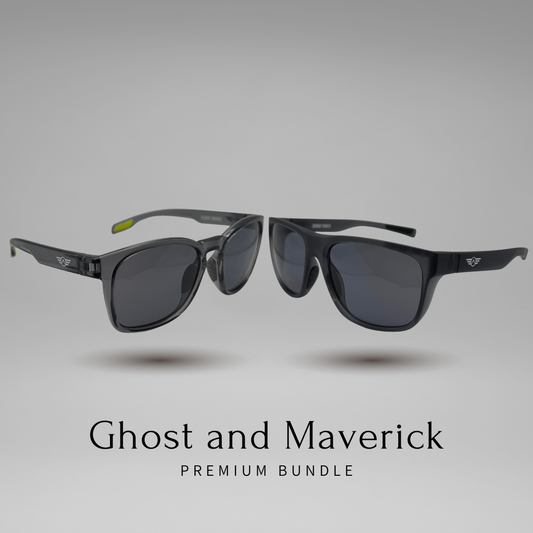
→ Maverick – Polarized MFD Sunglasses — $59 → Pilot’s Pair (Maverick + Ghost) — $89
Full Current Options
Signature Series
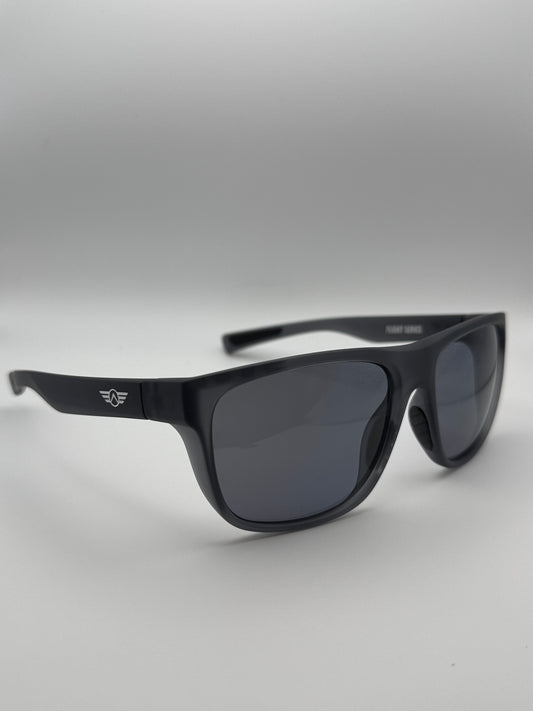
- Maverick – Polarized MFD Sunglasses — $59 → Shop the Maverick
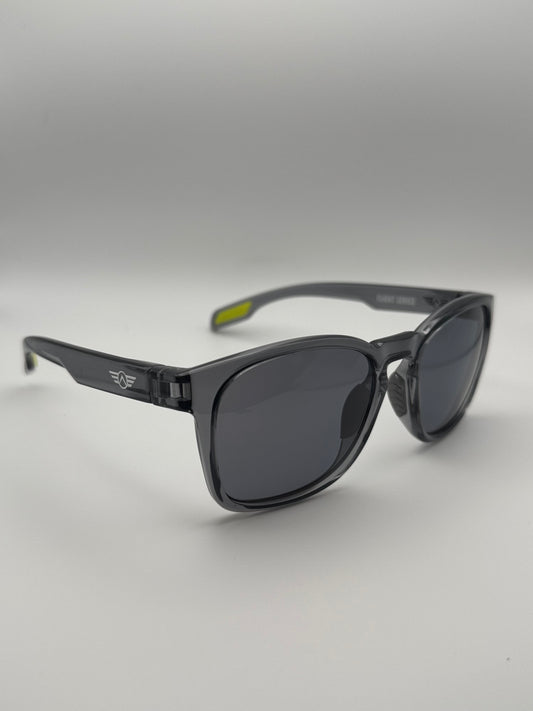
- Ghost – Polarized MFD Sunglasses — $59 → Shop the Ghost
- Pilot’s Pair — Maverick + Ghost Bundle — $89 → Get the Pilot’s Pair
Flight Line Series (ANSI Z80.3)
- Zulu – ANSI Z80.3 Polarized — $89 → Shop the Zulu
- Ember – ANSI Z80.3 Polarized — $89 → Shop the Ember
- Alpha – ANSI Z80.3 Polarized — $89 → Shop the Alpha
- Nomad – ANSI Z80.3 Polarized — $89 → Shop the Nomad
All orders ship free in the United States.
Common Myths
- Darker = better protection → False. Tint and UV blocking are separate.
- All polarized sunglasses block UV → Not automatically. Always check for UV400.
- You only need sunglasses on sunny days → UV is present year-round and reflects off many surfaces.
- Polarized lenses are bad for all pilots → Only traditional ones. Screen-compatible versions exist.
Bottom Line
UV protection and polarization solve different problems. UV400 is mandatory for long-term eye health, especially at altitude. Polarization is highly useful for glare — but only if it doesn’t black out your MFDs and digital displays.
The practical solution is both: full UV400 plus Pilot Polarized lenses that stay compatible with glass-cockpit screens. That combination, along with durable coatings and free U.S. shipping, is available at $59–$89.
The Maverick and Ghost start at $59. The Pilot’s Pair and ANSI-rated models are $89.
Related Reading
- Why Traditional Polarized Sunglasses Are Dangerous in the Cockpit
- How Glare and Eye Strain Affect Pilots
- Understanding Impact Ratings in Pilot Sunglasses: ANSI Z80.3 Explained