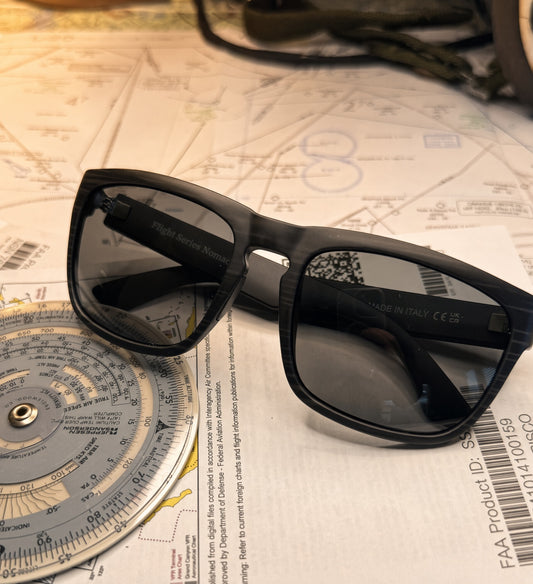
Why UV protection matters in sunglasses
When it comes to eyewear, style and comfort are important, but one factor often outweighs them both: UV protection. Ultraviolet (UV) rays from the sun can cause significant short-term and long-term damage to your eyes, making proper protection essential for everyone, whether you’re in the cockpit, on the range, or enjoying outdoor activities. High-quality sunglasses with UV protection are not just a fashion accessory—they are a vital tool for maintaining eye health.
In this article, we explore what UV protection means, how UV rays affect your eyes, the benefits of wearing UV-protective sunglasses, and tips for choosing the right pair.
Understanding UV Radiation
Sunlight contains three types of ultraviolet radiation: UVA, UVB, and UVC.
-
UVA rays penetrate deep into the eye, potentially damaging the lens and retina. They are largely responsible for long-term eye problems such as cataracts and macular degeneration.
-
UVB rays are more intense and can damage the surface of the eye, leading to conditions like photokeratitis (essentially a sunburn of the cornea) and pterygium, a growth on the white part of the eye.
-
UVC rays are mostly absorbed by the Earth’s atmosphere and rarely reach us, but they can be dangerous in artificial sources like welding arcs.
Even on cloudy days or during winter months, UVA and UVB rays can reach your eyes. This makes consistent UV protection year-round essential, not just during sunny summer days.
The Risks of Unprotected Sun Exposure
Prolonged exposure to UV rays without proper eye protection can cause both immediate and long-term damage. Some of the most common eye health risks include:
1. Cataracts
Cataracts occur when the lens of the eye becomes cloudy, impairing vision. Studies have shown that long-term exposure to UV rays, particularly UVA and UVB, increases the risk of cataract formation. Cataracts are a leading cause of vision impairment worldwide, and prevention through UV-protective sunglasses is a simple yet effective measure.
2. Macular Degeneration
The macula is the part of the retina responsible for sharp, central vision. UV exposure can accelerate macular degeneration, a condition that results in the gradual loss of central vision, making tasks like reading, driving, and recognizing faces more difficult.
3. Photokeratitis and Eye Irritation
Short-term overexposure to UV rays can cause photokeratitis, a painful condition similar to sunburn of the eyes. Symptoms include redness, tearing, and temporary vision loss. Extended exposure to UV rays can also lead to chronic eye irritation, dry eyes, and increased sensitivity to light.
4. Skin Cancer Around the Eyes
The skin around your eyes is delicate and highly susceptible to UV damage. Squamous cell carcinoma and basal cell carcinoma are more likely to develop on the eyelids and surrounding areas without proper protection. Sunglasses that block UVA and UVB rays not only protect your eyes but also help prevent skin cancer around the eye area.
How Sunglasses Provide UV Protection
Not all sunglasses are created equal. Many consumers assume that darker lenses automatically provide better UV protection, but this is a misconception. The color or darkness of the lens has little effect on UV protection. What matters is whether the lenses are specifically engineered to block 100% of UVA and UVB rays.
1. Polarized Lenses
Polarized lenses reduce glare by filtering reflected light from surfaces like water, roads, and digital screens. While polarization itself does not block UV rays, many high-quality polarized lenses are also coated with UV protection, providing both glare reduction and eye safety.
2. Lens Coatings
Modern sunglasses often feature coatings that block UV rays. These coatings can be applied to different lens materials, including polycarbonate, CR-39, or TR90. High-quality coatings ensure that UVA and UVB rays are blocked while maintaining optical clarity and minimizing distortion.
3. Lens Materials
Certain lens materials naturally absorb UV radiation. For example, polycarbonate lenses inherently block nearly all UV rays, while TR90 frames, commonly used in performance eyewear, are lightweight, durable, and compatible with lenses offering full UVA and UVB protection. Combining a strong frame material with UV-coated lenses ensures both comfort and safety during long periods of wear.
Benefits of Wearing UV-Protective Sunglasses
1. Prevent Long-Term Eye Damage
Consistently wearing UV-protective sunglasses helps reduce the risk of cataracts, macular degeneration, and other degenerative eye conditions. Protecting your eyes early in life is a critical step toward maintaining healthy vision as you age.
2. Improve Visual Comfort
UV rays contribute to eye strain and discomfort in bright sunlight. Sunglasses with UV protection reduce glare and improve visual clarity, making outdoor activities safer and more comfortable, whether you’re piloting an aircraft, driving, or enjoying recreational sports.
3. Enhance Performance in Professional Settings
For aviators, tactical professionals, and athletes, clear vision is critical. UV-protective sunglasses, often combined with screen-compatible polarization, ensure that digital displays, MFDs, and other displays remain readable without distortion. This allows pilots and professionals to maintain focus and accuracy in high-stakes environments.
4. Protect Delicate Skin Around the Eyes
High-quality sunglasses with wide coverage help shield the skin around the eyes from harmful UV rays, reducing the risk of skin cancer and preventing premature wrinkles caused by sun exposure.
Choosing the Right Sunglasses for UV Protection
When selecting sunglasses, there are several factors to consider to ensure you get the best protection:
1. Check for 100% UVA and UVB Protection
Always look for sunglasses labeled as blocking 100% of UVA and UVB rays or UV400. This ensures that your eyes are fully protected from harmful radiation.
2. Consider Lens Material and Quality
High-performance lens materials like polycarbonate and TR90 frames are durable, lightweight, and compatible with full UV protection coatings. Avoid cheap lenses that may appear dark but offer minimal UV defense.
3. Fit and Coverage
The shape and size of your sunglasses affect how well they protect your eyes. Wraparound styles or lenses with side shields provide additional coverage from peripheral UV exposure. A proper fit ensures the lenses stay in place during movement and activity.
4. Polarization and Optical Clarity
Polarized lenses reduce glare and improve comfort, particularly in bright or reflective environments. For professionals who work with digital screens, MFDs, or other digital instruments, screen-compatible polarized lenses can prevent distortion while maintaining full UV protection.