Best Aviation Headset for a Student Pilot: Why the KORE KA-1 Keeps Coming Up
A student pilot’s first headset is usually a compromise between money that could have gone to flight time and a rental set that has been on a dozen other heads. The search for the best aviation headset for a student pilot usually lands in the same place: clear radio, a seal that does not hurt after the third pattern, and a price that does not require a payment plan.
KORE Aviation is a family-owned headset company that sells heavily into that training market. Their best-selling model is the KORE KA-1, a passive noise-reduction headset listed at $224.95, with a carrying bag included.
Shop the KA-1: koreheadset.com
What the KA-1 is built to do
The KA-1 is a passive headset, not an active noise-canceling set. KORE rates it at 24 dB NRR. It uses silicone gel ear seals, an extra-thick head pad, and an adjustable headband, and the company lists the weight at about 1.3 pounds. The microphone is an electret noise-canceling mic on a 360-degree flex boom, with a foam muff and a spare muff in the box.
It switches between mono and stereo, which matters in older trainers that are mono only. If the switch is left in stereo in a mono airplane, you can end up hearing audio in one ear. Independent volume knobs sit on each ear cup. Dual gold-plated general aviation plugs and a five-foot shielded cord are standard. A 3.5 mm auxiliary jack lets you run ForeFlight or Garmin Pilot audio through the headset. There are no batteries to charge.
KORE backs the KA-1 with a five-year warranty and says service is handled in the United States. The box includes the headset, a padded bag, and an extra microphone muff.
Why it fits a training budget
Active noise reduction from Bose or Lightspeed is excellent, and a David Clark H10-13.4 is still the headset a lot of instructors grew up on. Those sets also cost more, and an ANR pair can eat a surprising amount of a student’s flying fund.
The KA-1 sits in the value band, around $225, with gel seals included rather than sold as an upgrade. KORE markets it specifically to student pilots, passengers, instructors, and flight schools, and the company says it has sold more than 50,000 headsets. That does not make it the right headset for every cockpit. It does make it a reasonable first purchase if you want professional-style passive gear without spending the price of several lessons.
Their site is currently running a fall sale: code FALL15 for 15 percent off, listed as valid through October 31. Confirm the code at checkout, since promotions change.
How this sits next to sunglasses
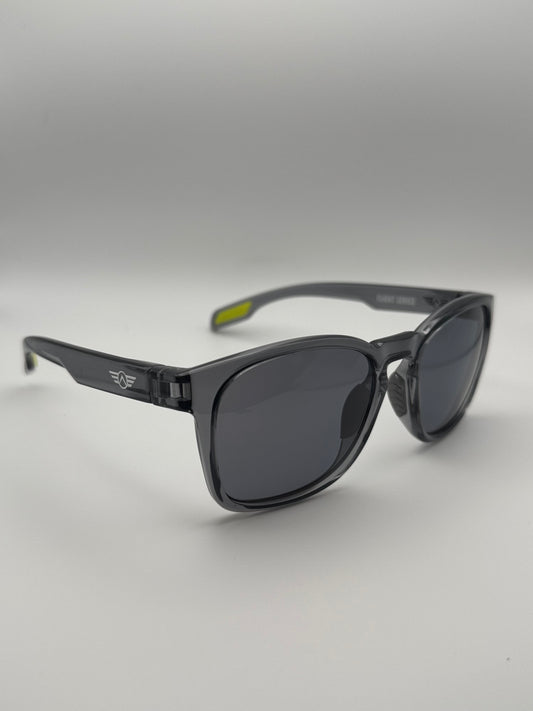
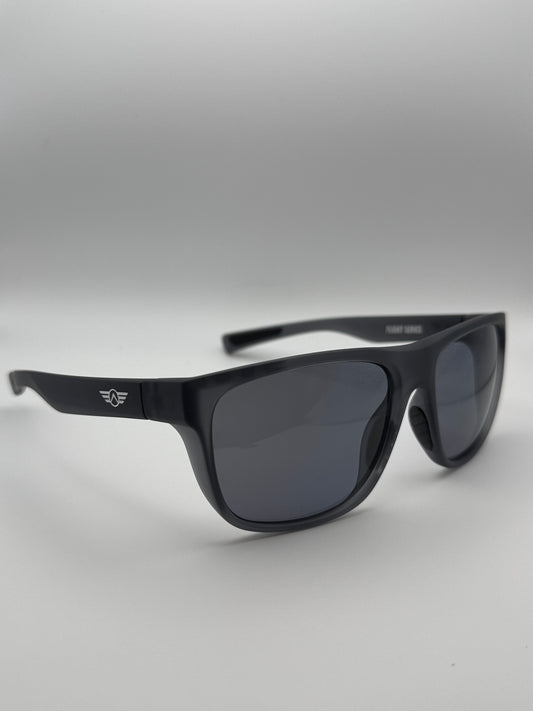
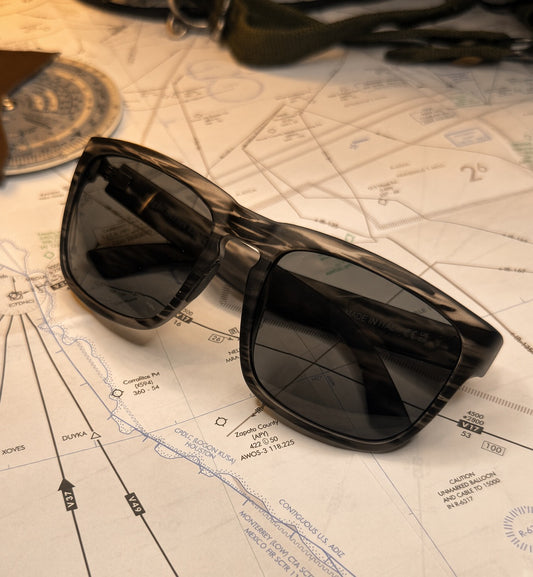
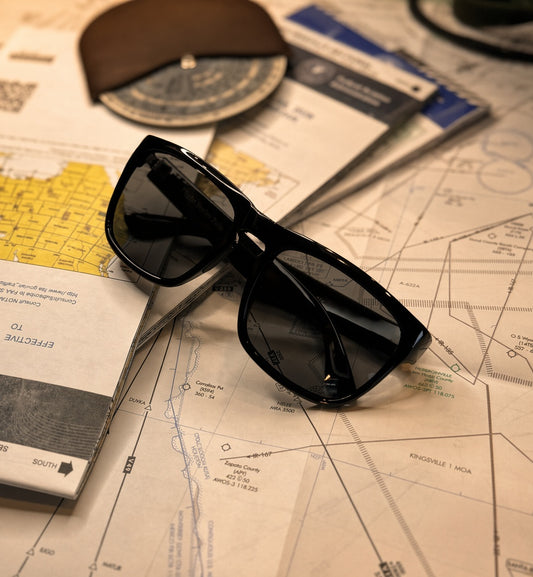
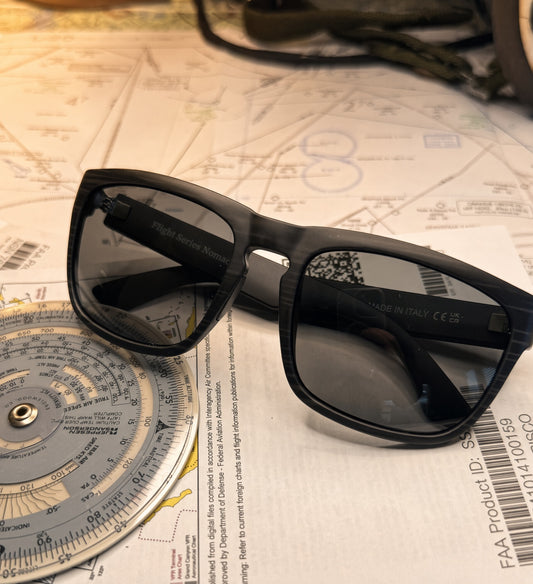
A headset and a pair of sunglasses fight for the same real estate. Thick metal temples dig in under the ear cups. That is one reason Flight Series frames are TR90 and built to sit under a headset for a full lesson or a cross-country.
The lenses are a separate problem. Pilot Polarized is meant to stay usable with many MFDs, LCDs, and tablets. It is not tested or verified on HUDs, and a display can still dim at certain angles. Test your own panel. The headset still has to fit over the frames without creating a hotspot by the second hour.
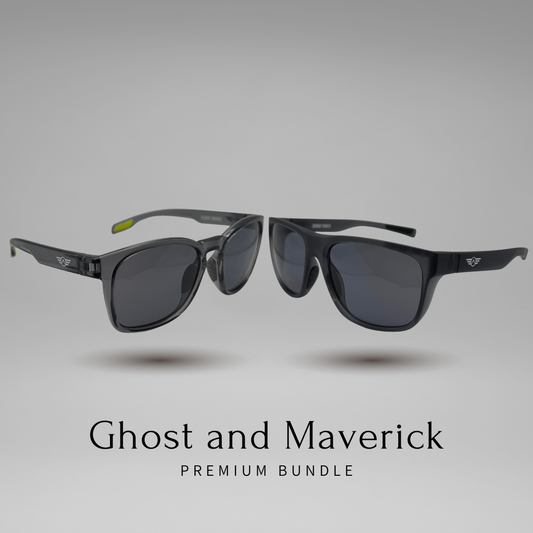
If you are still choosing eyewear for training, start with the Ghost or the Maverick at $59, or the Pilot’s Pair at $89. More on first-year gear is in The Best Sunglasses for New Pilots.
Before you buy
Passive noise reduction is not the same as active noise cancellation. If you already know you want ANR, this is not that product. Check whether your trainer is mono or stereo, and set the switch to match. Gel seals are comfortable for many people and too tight for some; KORE offers returns, so read their current policy before you order.
Where to look
The KA-1 product page, including the bag and dual GA plugs, is here: KORE KA-1 General Aviation Headset.
The rest of the catalog is at koreheadset.com.
See Your Mission Clearly.