light Series vs Randolph, Ray-Ban, and American Optical: What Pilots Actually Get
Search for pilot sunglasses and you will get Randolph, Ray-Ban, and American Optical. They earned that. Randolph has a long military-issue history. Ray-Ban owns the aviator shape. American Optical is the older military and astronaut silhouette. Flight Series is not a heritage metal frame. It is veteran-owned eyewear from military aviators, built so glare control can stay usable with many glass-cockpit displays. We are not affiliated with the brands below. Prices are typical late-2026 retail and change, so check before you buy.
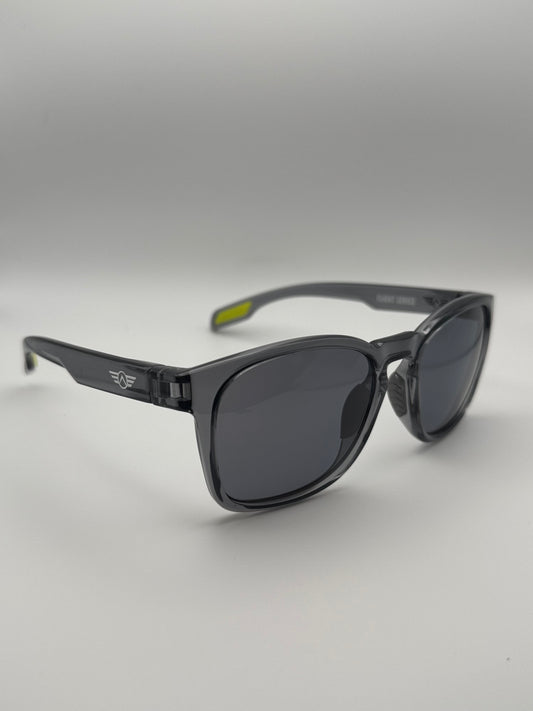
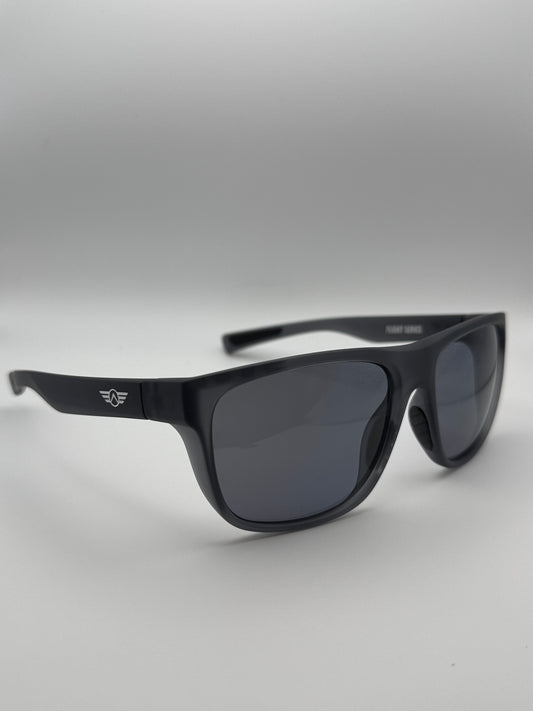
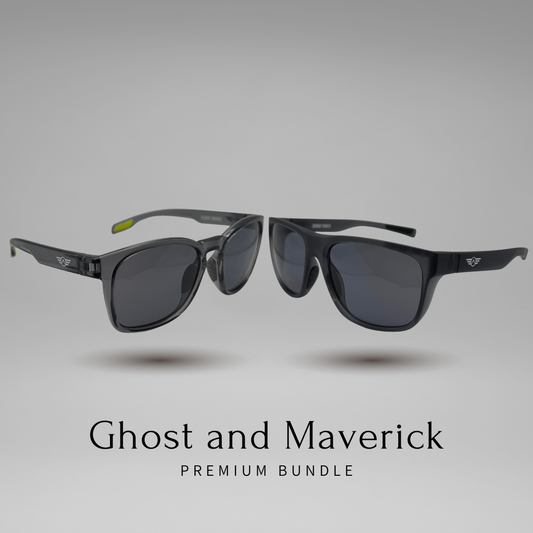
The Maverick and Ghost are $59. The Pilot’s Pair is $89. Mission Series is $89. Shop the line at flightserieseyewear.com/collections/sunglasses.
Randolph
Cockpit-oriented Randolph aviators are usually non-polarized mineral glass, with bayonet temples that sit under a headset. Retail is commonly about $255 to $350. Non-polarized is why buyer’s guides recommend them for a G1000: the screen stays up, and so does the glare. Glass optics are a real advantage. So is the name on a military ramp. You are paying for that, not for polarization.
Ray-Ban Aviator Classic
This is the teardrop most people already recognize, often about $150 to $220. A lot of versions are traditionally polarized or non-polarized glass in a metal frame. Traditional polarization is the kind that can darken an MFD, a GTN, or an iPad when the filter angles cross. Metal temples are also the usual hotspot under a headset.
American Optical
The Original Pilot sits in a similar place to Randolph: non-polarized glass, bayonet temples, commonly about $200 to $300, and a real history. Readable panel, less help on canopy glare, higher price.
Flight Series
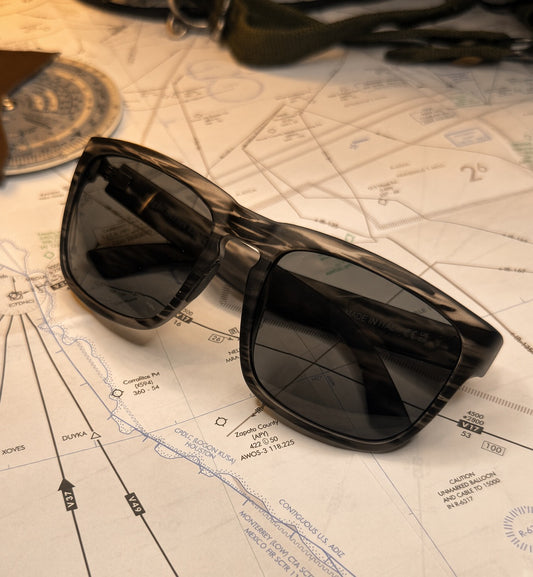
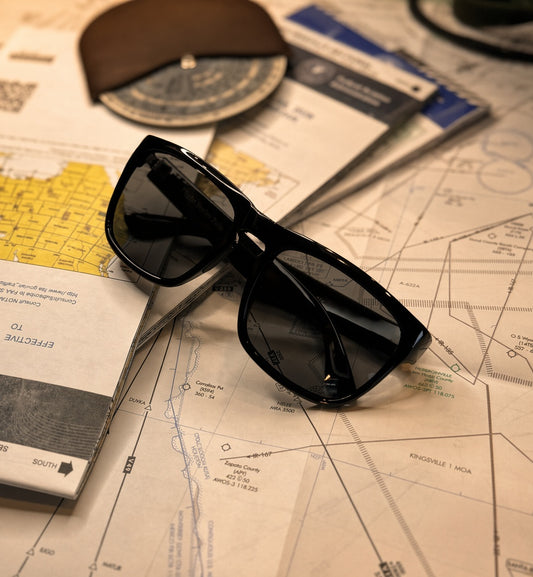
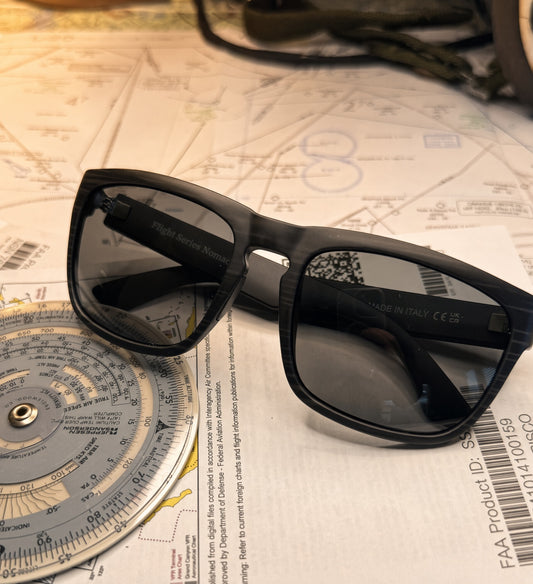
Pilot Polarized is meant to cut glare and stay usable with many MFDs and LCDs. Compatible does not mean the screen stays fully clear. Dimming can still happen at some angles, and the lenses are not tested or verified on HUDs. Test them on your own tablet before you fly. Frames are TR90. Protection is UV400. Impact is ANSI Z80.3, the sunglasses standard with the FDA steel-ball drop, not a ballistic rating. Coatings are scratch- and smudge-resistant, which is not scratch-proof. Mission Series Alpha, Zulu, Nomad, and Ember add Ri-PeX / Ri-Pix. Shipping is free in the United States.
We do not match those brands on mineral glass, U.S. contract history, or ramp recognition. If that is what you want, buy them. If the search was polarized sunglasses that do not take the panel offline, start with the Maverick or the Ghost. The Pilot’s Pair is both frames for $89.
How the screen issue works: MFD-Compatible Sunglasses for Pilots. Garmin specifically: Best Sunglasses for Garmin G1000 and Glass-Cockpit Pilots.
See Your Mission Clearly.