Randolph vs Flight Series: Do You Actually Need $300 Aviation Sunglasses?
Randolph has been the default “real pilot” sunglasses for a long time. Solid build. Military history. Price tag usually around $280–$350.
A lot of pilots buy them, wear them carefully, and still end up squinting — or still can’t run polarization because the screens go dark.
That’s the question. Do you actually need the $300 pair, or do you need the feature Randolph mostly skips?
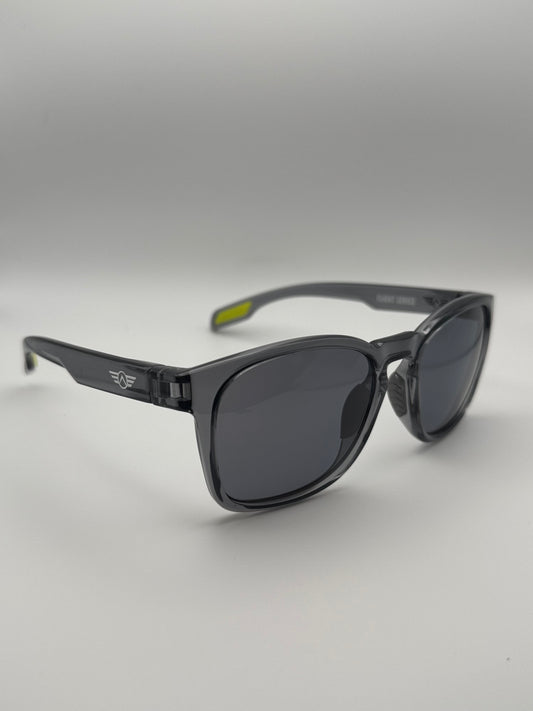
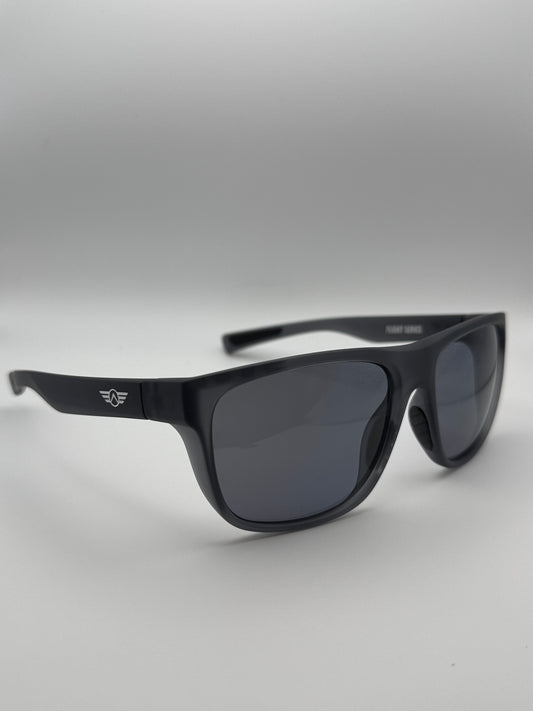
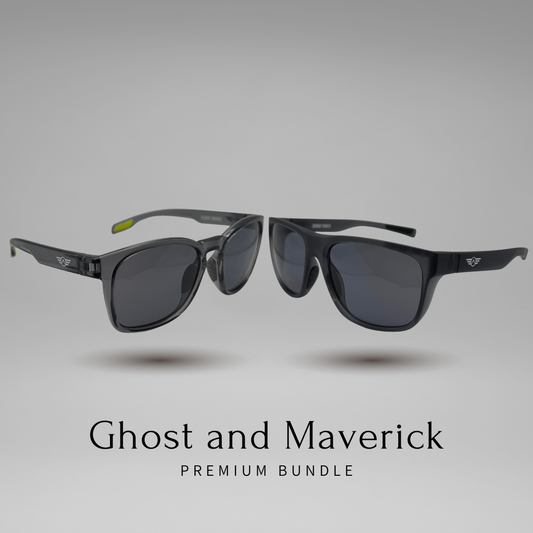
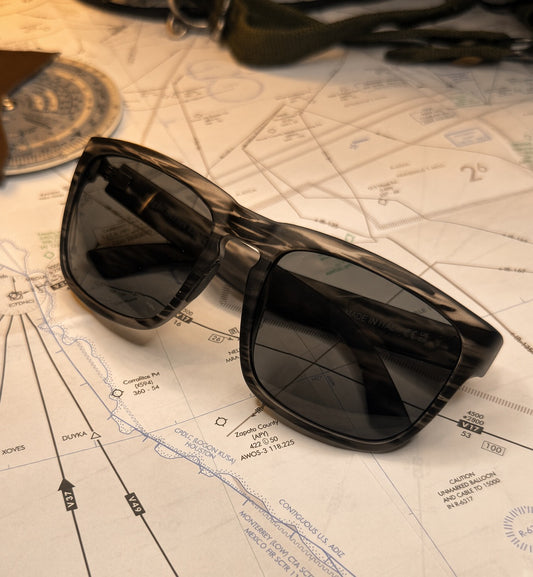
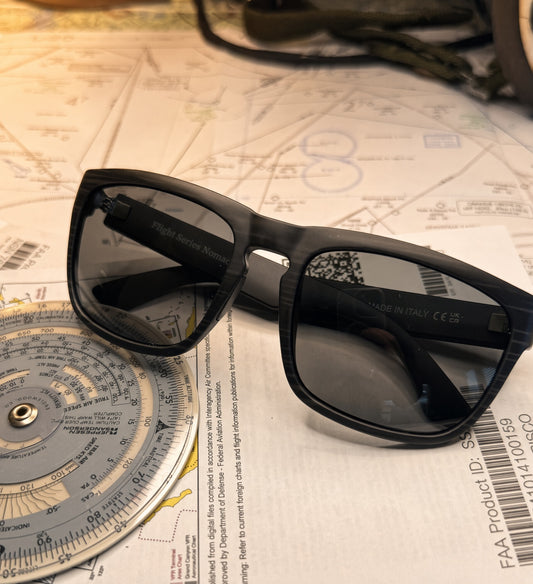
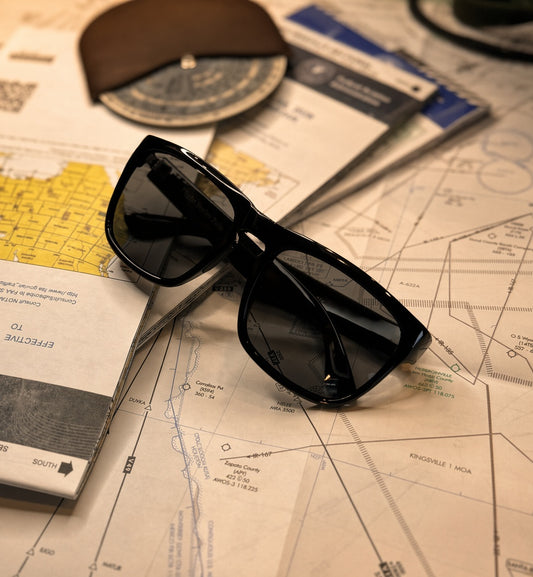
Flight Series was built by military aviators (Marine Corps + P-8 spouse), veteran-owned, for the glass-cockpit problem. The Maverick and Ghost are $59. The Pilot’s Pair is $89. Pilot Polarized, UV400, ANSI Z80.3 impact-rated, TR90/Grilamid, free U.S. shipping. Not tested or verified on HUDs.
Who This Is For
Pilots looking at Randolph, Serengeti, or similar heritage brands who fly glass panels and want glare control without killing the MFD.
What Randolph Gets Right
Randolph makes legitimate aviation eyewear. Bayonet temples work under headsets. Optical quality is strong. UV protection is there. The frames hold up.
If you want non-polarized sunglasses and you’re fine paying for the name and the glass, they’re a real product — not a gimmick.
Where the $300 Pair Still Leaves You
Most of the recommended Randolph setups for glass cockpits are non-polarized on purpose. Traditional polarization blacks out or washes out MFDs and LCDs. So the industry answer became: skip polarization.
That protects the screens. It also leaves you without effective glare control on the ramp, over water, or under a bright canopy.
You’re paying premium money and still making the same tradeoff cheap polarized sunglasses force in the other direction.
What Flight Series Does Differently
Pilot Polarized lenses are built to cut glare and stay mostly compatible with MFDs, LCDs, and digital displays. Same problem military and civilian pilots hit in glass cockpits. Same fix.
You also get:
- Full UV400
- ANSI Z80.3 impact rating (5/8” steel ball from 50”)
- Scratch- and smudge-resistant coatings
- Lightweight TR90/Grilamid frames under a headset
- Free U.S. shipping
- Pouch, cloth, and a mystery patch in the box
If you want polarization that works with the panel, start here:
→ Maverick — $59 → Pilot’s Pair — $89
Side by Side (no table, phone-friendly)
Randolph (typical aviation setup)
- Price: ~$280–$350
- Polarization: usually none for glass-cockpit use
- Screen readability: good because there’s no polarization
- Headset fit: strong
- Durability: strong
- Tradeoff: glare stays
Flight Series
- Price: $59–$89
- Polarization: Pilot Polarized (MFD/LCD compatible)
- Screen readability: built for digital displays
- Headset fit: TR90, lightweight
- Impact: ANSI Z80.3
- Tradeoff: you’re not paying for heritage branding
The Lineup
Classic Series — everyday cockpit + daily wear
- Maverick — $59 → Shop the Maverick
- Ghost — $59 → Shop the Ghost
- Pilot’s Pair — $89 → Get the Pilot’s Pair
Mission Series — same Pilot Polarized optics, duty-oriented build, Ri-PeX / Ri-Pix coating
- Alpha (matte black) — $89
- Zulu (gloss black) — $89
- Nomad (streaked) — $89
- Ember (translucent brown/camo) — $89
What to Skip
- Paying $300 for non-polarized lenses just to keep the MFD readable
- Cheap polarized pairs that fail the phone-screen test
- Any pair you’re afraid to leave in the airplane
Hold the sunglasses up to your phone or iPad and rotate them. If the screen dies, your G1000 will too.
Bottom Line
Randolph is good gear if you want non-polarized heritage sunglasses and the budget is there. If you want polarized glare control and readable MFDs without the $300 hit, that’s the gap Flight Series was built to fill.
Maverick and Ghost are $59. Pilot’s Pair and Mission Series are $89. Free U.S. shipping.
See Your Mission Clearly.
Related Reading