Ballistic and Impact Ratings in Eyewear Explained: What Pilots Actually Need
If you’re shopping for sunglasses as a pilot, shooter, or tactical user, you’ve probably seen terms like ANSI Z87.1, Z87+, MIL-PRF, or “ballistic-rated.” These labels get thrown around a lot, and most of the time they’re not explained clearly.
Understanding the difference matters. Your eyes only get one shot at staying protected.
Who This Is For
This is written for pilots, military and tactical users, and anyone who wants straight answers about impact ratings instead of marketing language.
Why Impact Ratings Matter
Your eyes are vulnerable. A small piece of debris, a fragment, or even a hard impact against the lens can cause serious injury. Fashion sunglasses are not designed for that. Many never undergo any meaningful impact testing at all.
A real impact standard gives you a verified performance floor instead of hope.
The Main Standards Explained
1. ANSI Z80.3 (The Sunglasses Standard) This is the primary U.S. standard for non-prescription sunglasses and fashion eyewear. It includes optical requirements and, importantly, the FDA-mandated impact test under 21 CFR 801.410:
- A 5/8-inch steel ball is dropped from 50 inches onto the lens.
- The lens must not fracture.
This is the standard Flight Series builds to. Every pair is required to pass it. Z80.3 also covers traffic signal recognition, color accuracy, and UV performance — all relevant for pilots.
2. ANSI Z87.1 (Occupational / Safety Eyewear) This is a different standard used mainly for industrial and safety glasses. It has Basic Impact and High Impact (Z87+) levels that include high-mass and high-velocity tests. It is more common on tactical or industrial eyewear than on everyday sunglasses.
3. Military Ballistic Standards (MIL-PRF-32432 and similar) These are significantly more demanding tests designed for combat environments. They evaluate protection against higher-velocity fragments. Most civilian and general aviation users do not need this level.
Quick Comparison
| Standard | Primary Use | Impact Level | Best For |
|---|---|---|---|
| ANSI Z80.3 | Sunglasses | FDA steel-ball test | Pilots, everyday + aviation |
| ANSI Z87.1 / Z87+ | Safety / industrial | High-mass + high-velocity | Industrial, heavy tactical |
| MIL-PRF | Military ballistic | Highest | Combat / extreme environments |
What Most Pilots Actually Need
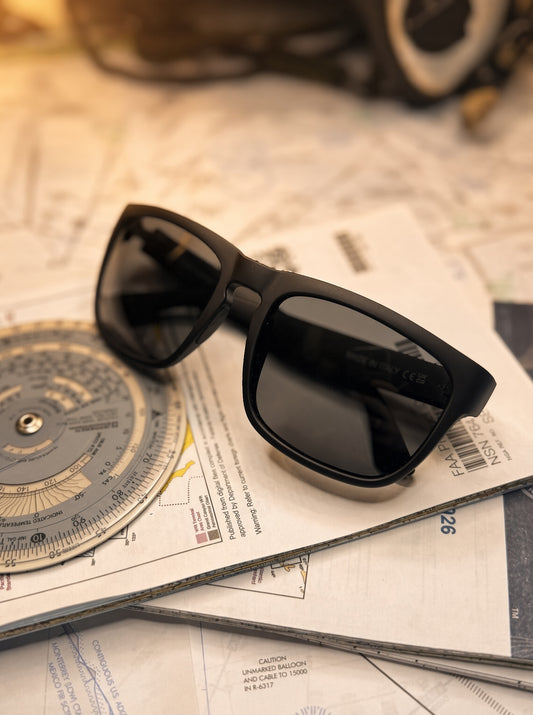
For general aviation, glass-cockpit flying, and most tactical or outdoor use, a pair that meets ANSI Z80.3 (including the FDA impact test) plus real MFD-compatible polarization is the practical sweet spot. You get verified impact performance without the bulk, weight, or cost of full military ballistic gear.
Chasing the highest possible rating is rarely necessary and often comes with tradeoffs in comfort, optics, or price.
The Flight Series Approach
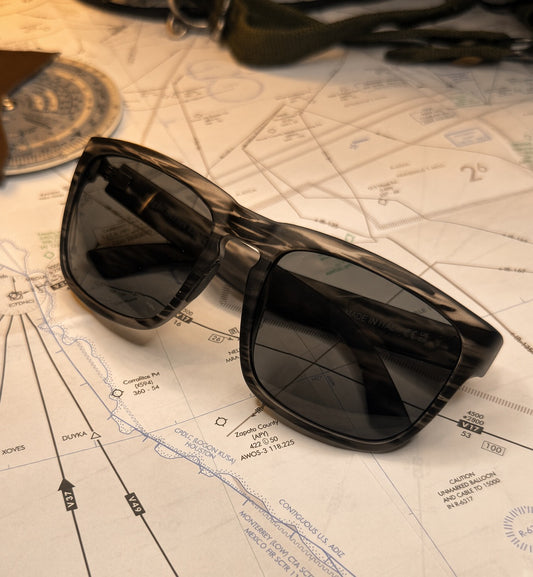
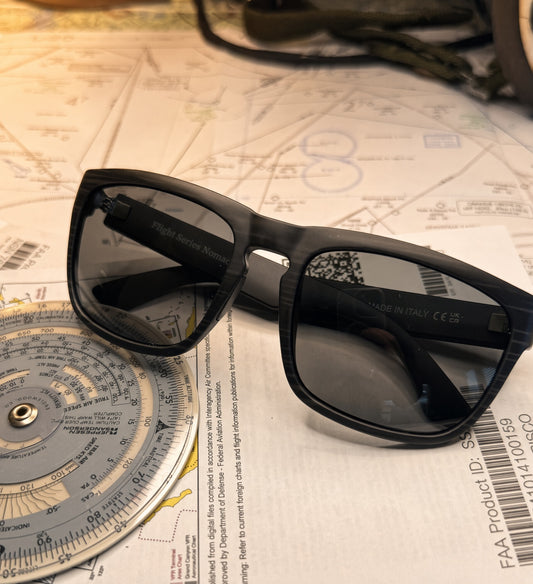
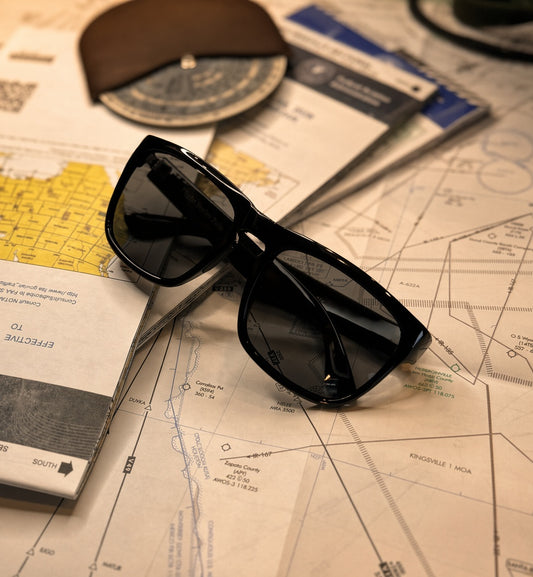
Flight Series sunglasses are engineered to meet the full ANSI Z80.3 standard, including the FDA steel-ball impact requirement. On top of that they deliver:
- Pilot Polarized lenses that remain mostly compatible with MFDs and digital displays
- Full UV400 protection
- Scratch- and smudge-resistant coatings
- Lightweight TR90 frames
- Free U.S. shipping on every order
If you want impact performance + screen-compatible polarization right now, start here:
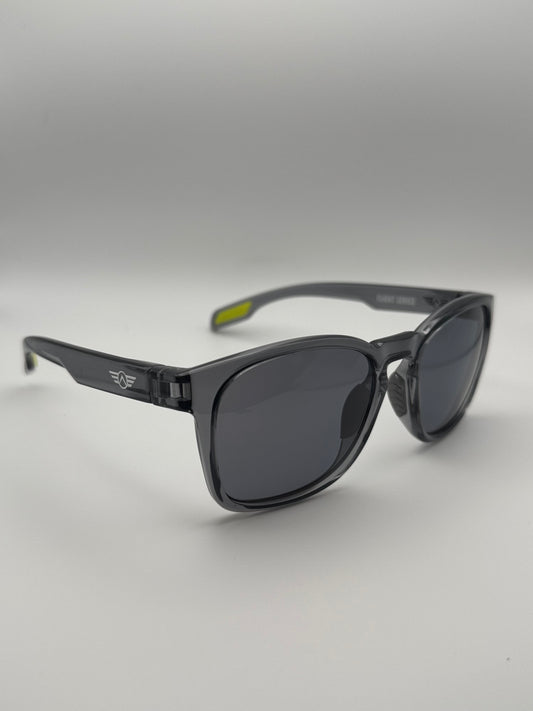
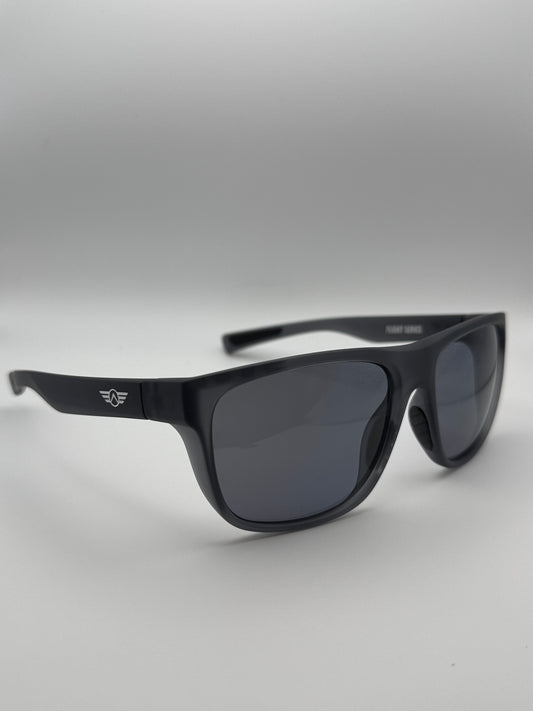
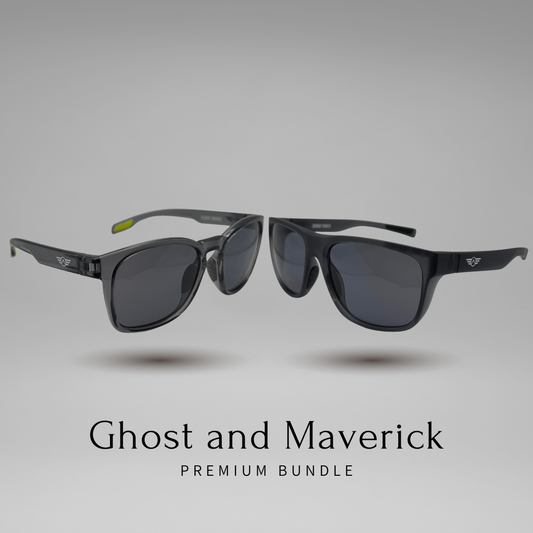
→ Maverick – Polarized MFD Sunglasses — $59 → Pilot’s Pair (Maverick + Ghost) — $89
Full Current Options
Signature Series
- Maverick – Polarized MFD Sunglasses — $59 → Shop the Maverick
- Ghost – Polarized MFD Sunglasses — $59 → Shop the Ghost
- Pilot’s Pair — Maverick + Ghost Bundle — $89 → Get the Pilot’s Pair
Flight Line Series (ANSI Z80.3)
- Zulu – ANSI Z80.3 Polarized — $89 → Shop the Zulu
- Ember – ANSI Z80.3 Polarized — $89 → Shop the Ember
- Alpha – ANSI Z80.3 Polarized — $89 → Shop the Alpha
- Nomad – ANSI Z80.3 Polarized — $89 → Shop the Nomad
All orders ship free in the United States.
Why This Beats Most Expensive Alternatives
Many $280–$350 “aviation” or tactical sunglasses lean on heritage or vague impact claims. Fewer combine a clear, verified sunglasses impact standard (ANSI Z80.3) with true MFD-compatible polarization at a price that encourages daily use.
Flight Series gives you the impact performance, the screen-compatible polarization, the UV400 protection, and free shipping at $59–$89. You get working gear instead of a pair you feel the need to protect.
Bottom Line
Not every impact rating is the same. ANSI Z80.3 (with the FDA steel-ball test) is the relevant standard for sunglasses. ANSI Z87.1 and MIL-SPEC serve different, higher-risk environments.
For most pilots the winning combination is verified impact performance + Pilot Polarized lenses that work with MFDs + full UV400 protection — at a price that makes sense.
The Maverick and Ghost start at $59. The Pilot’s Pair and the Flight Line models are $89. Free U.S. shipping on every order.
Related Reading