Can Pilots Wear Polarized Sunglasses in 2026? What the FAA Guidance Actually Means
Search “best pilot sunglasses 2026” and you will get the same sentence over and over.
Do not fly polarized. Non-polarized only. Randolph. Two hundred and eighty dollars.
That advice exists for a reason. Traditional polarized lenses can dim, rainbow, or black out MFDs, PFDs, GTNs, and the iPad on your kneeboard. The FAA’s pilot-vision guidance has warned about that for years. It is not a ban. It is a warning about ordinary polarized sunglasses.
It is also incomplete.
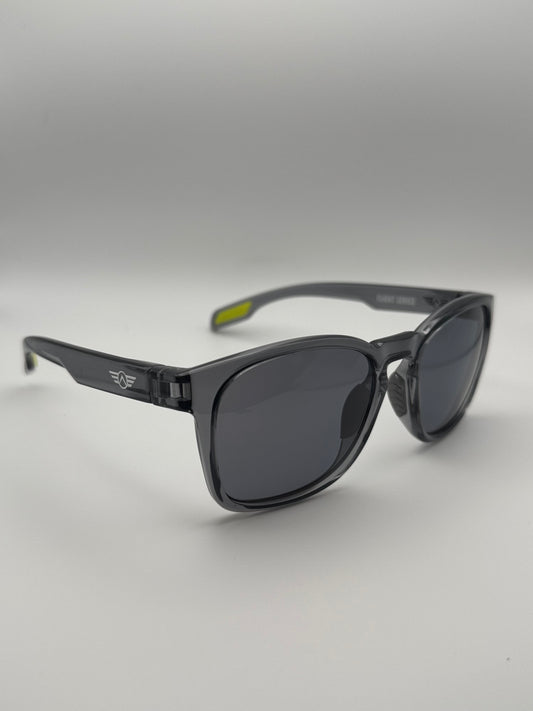
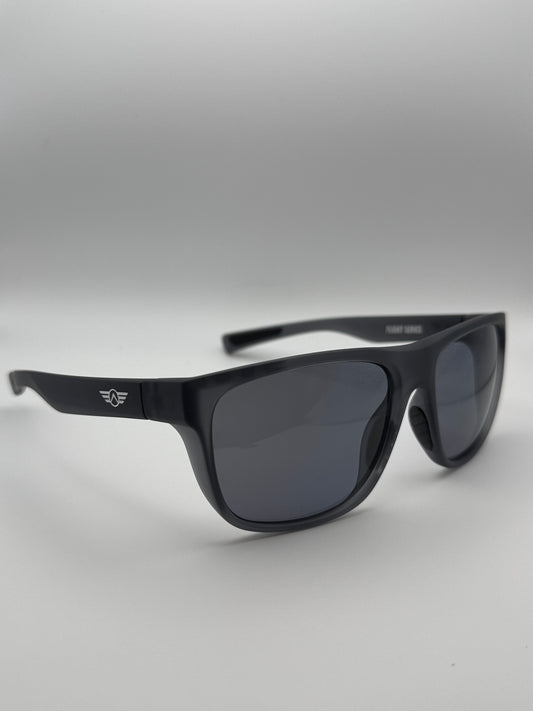
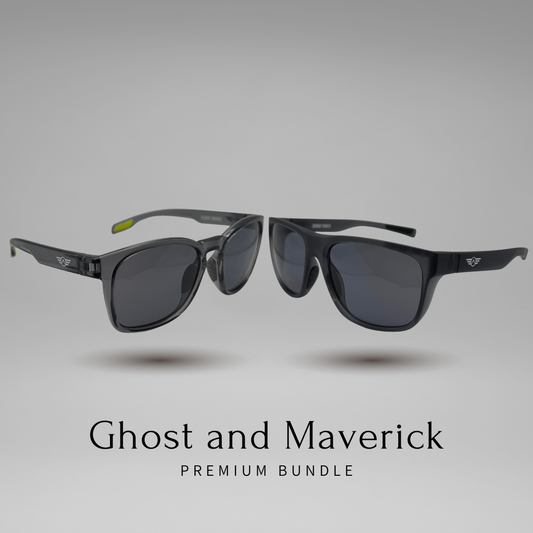
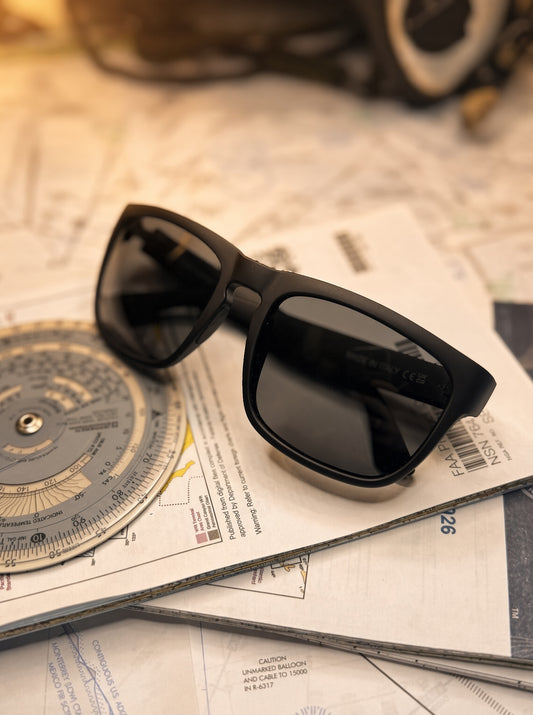
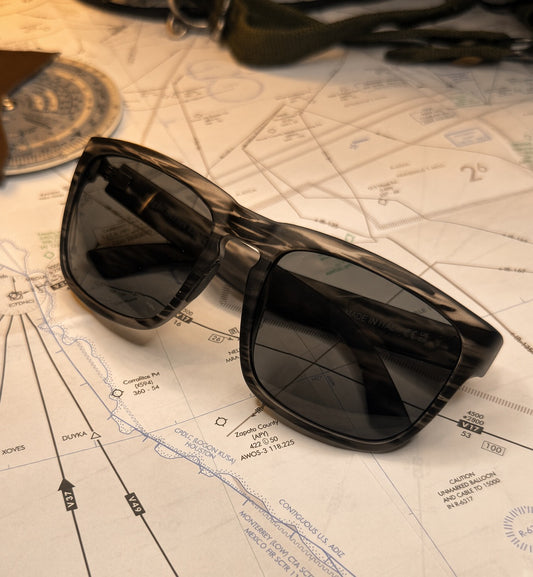
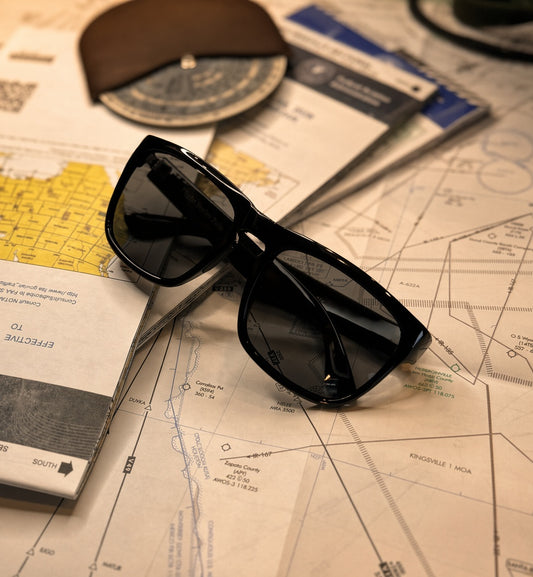
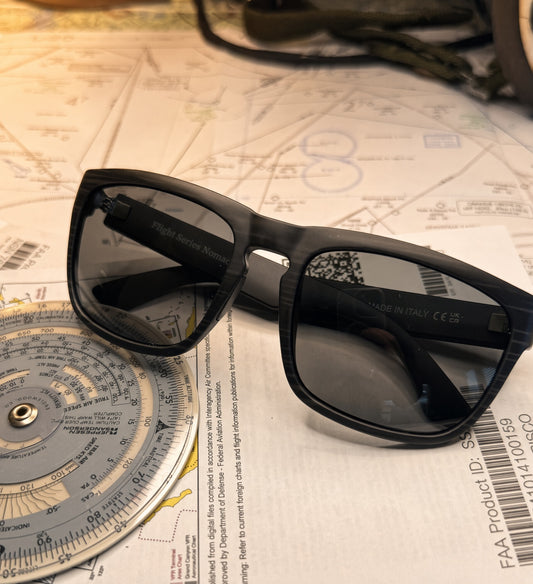
Flight Series was built because military aviators got tired of the tradeoff. Veteran-owned. The Maverick and Ghost are $59. The Pilot’s Pair is $89. Pilot Polarized lenses cut glare and stay mostly compatible with MFDs and LCDs. Full UV400. ANSI Z80.3 impact-rated. TR90 frames. Free U.S. shipping. Not tested or verified on HUDs.
Who This Is For
Private pilots, students, CFIs, and anyone who just read “never wear polarized in a glass cockpit” and now thinks they have to choose between glare and a readable panel.
What the FAA Guidance Actually Says
The FAA does not outlaw polarized sunglasses. The guidance exists because most polarized lenses on the market were designed for water and roads, not for LCD instrument panels.
Glass-cockpit displays already use their own polarizing layer. Cross that layer with a traditional sunglass filter at the wrong head angle and the screen loses light. Same thing happens on ForeFlight.
Old articles treat that as the end of the discussion. Buy non-polarized. Pay heritage prices. Squint on a bright VFR day.
That is how most 2026 roundups still sell $280 pairs.
Why the Internet Still Says “Never Polarized”
Because most brands never solved it. They either:
- skip polarization so the screens stay readable, or
- sell normal polarized lenses and let you find out over the G1000
Flying magazines and pilot shops repeat the safe sentence. Search engines reward the safe sentence. You see it everywhere.
The physics did not change. The product category did. Screen-compatible polarization exists. That is the whole point of MFD-compatible sunglasses.
What You Should Demand in 2026
1. Pilot Polarized / MFD-LCD compatible
Not “polarized” with no cockpit language.
2. The phone-and-tablet test
Hold the lenses up to your iPad and rotate. If the screen dies, do not fly them.
3. Full UV400
Altitude raises UV load. Tint is not UV protection. More here: Why UV protection matters in sunglasses.
4. ANSI Z80.3
FDA steel-ball drop from 50 inches. Named sunglasses standard. Not ballistic.
5. TR90 frames under a headset
The $300 metal aviator is a headset problem wearing a logo.
6. A price that allows a spare
Commuters and instructors lose pairs. $59–$89 is working gear.
If this is your list, start here:
→ Maverick — $59
→ Pilot’s Pair — $89
Pouch, cloth, mystery patch. Free U.S. shipping.
The Lineup
Classic Series
-
Maverick — $59
Best for: Most glass-cockpit days.
→ Shop the Maverick -
Ghost — $59
Best for: Lower profile under the headset.
→ Shop the Ghost -
Pilot’s Pair — $89
Best for: One pair in the airplane, one spare.
→ Get the Pilot’s Pair
Mission Series — same Pilot Polarized optics, Ri-PeX / Ri-Pix coating
-
Alpha — $89
→ Shop the Alpha -
Zulu — $89
→ Shop the Zulu -
Nomad — $89
→ Shop the Nomad -
Ember — $89
→ Shop the Ember
Full shop: flightserieseyewear.com/collections/sunglasses
What Those 2026 Lists Get Right — and Wrong
They are right that traditional polarized sunglasses can take a G1000 offline. That is documented and worth respecting. Details for Garmin pilots: Best Sunglasses for Garmin G1000 and Glass-Cockpit Pilots.
They are wrong that the only answer is a non-polarized $280 frame. That is a product limitation dressed up as a law of nature.
Private-pilot buying context: Best Eyewear for Private Pilots.
Students: The Best Sunglasses for New Pilots.
What to Skip
- Generic polarized fishing sunglasses
- Any pair that fails the iPad rotation test
- Photochromics that stay too light behind a windshield
- $300 non-polarized pairs if glare is the problem you actually have
Frequently Asked Questions
Are polarized sunglasses illegal for pilots?
No. The FAA recommends caution because most polarized lenses conflict with LCDs. It is guidance, not a regulation.
So I can wear any polarized pair?
No. Wear a pair built for MFD/LCD compatibility and test it on your own screens.
HUDs?
Not tested or verified on HUDs.
Why so much cheaper than Randolph?
You are buying Pilot Polarized, UV400, Z80.3, and TR90 — not a heritage markup.
Bottom Line
The trending 2026 answer is still “never fly polarized.” That answer is about yesterday’s lenses.
If you want glare control and a readable panel, buy Pilot Polarized. Maverick and Ghost are $59. Pilot’s Pair and Mission Series are $89. Free U.S. shipping.
See Your Mission Clearly.
Related Reading