Low Sun on Final: Best Sunglasses for Fall Flying and the November Time Change
Fall flying feels easier until the last two miles.
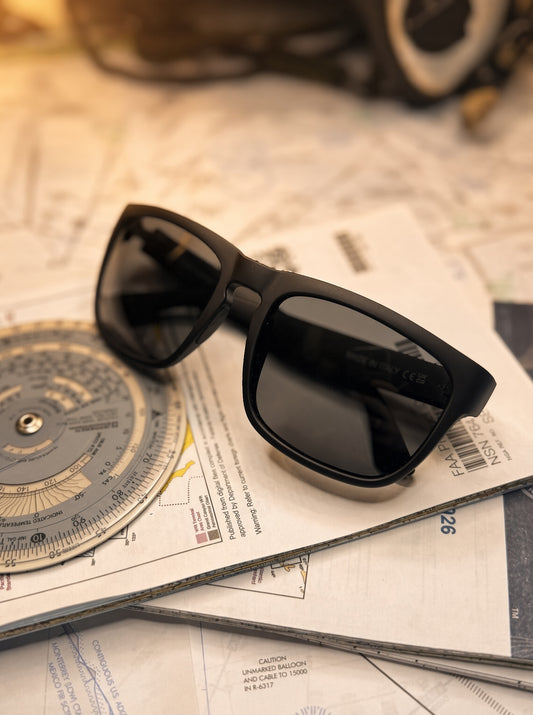
The sun is lower. Approaches line up west in the afternoon. The windshield turns into a mirror. You still have to see the runway and glance at the MFD or the iPad.
A lot of pilots treat that as a summer problem. It is not. From late September through the November time change it gets worse.
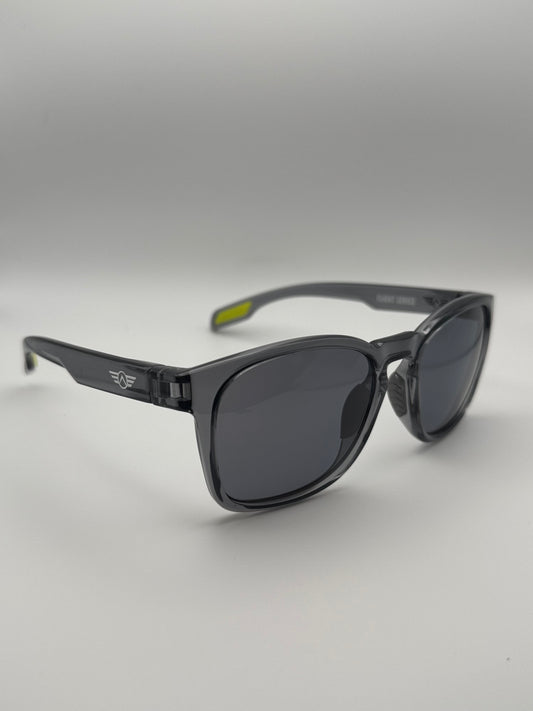
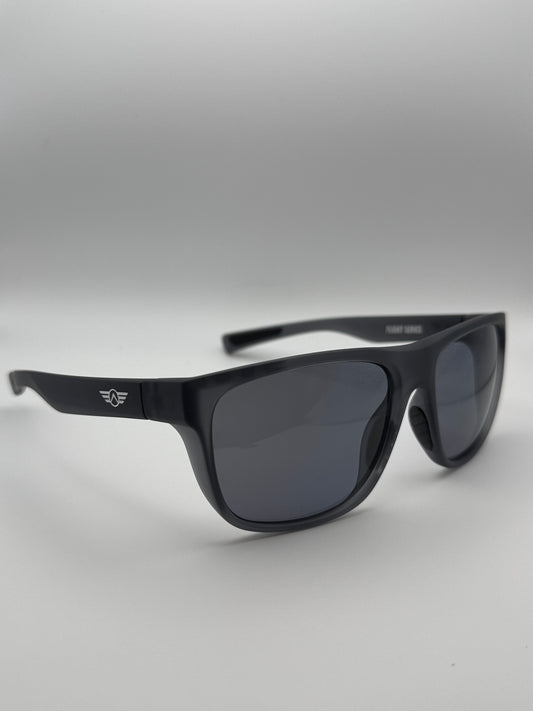
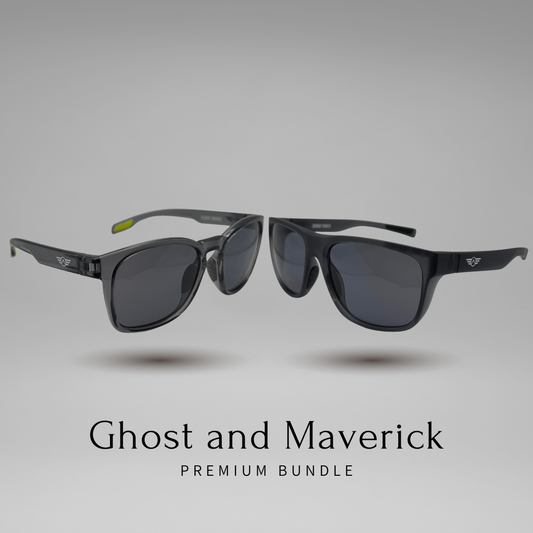
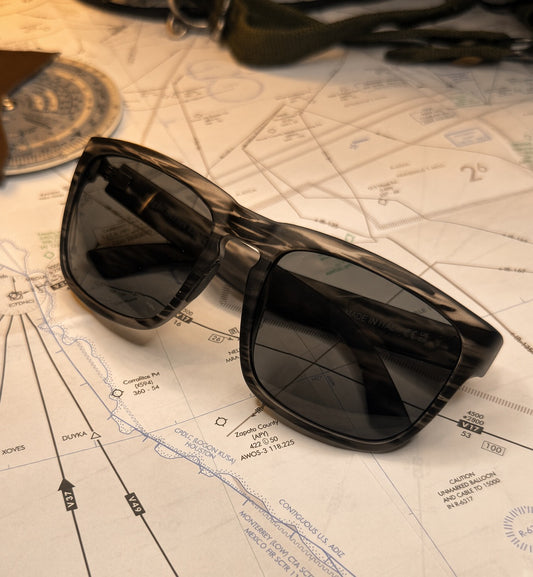
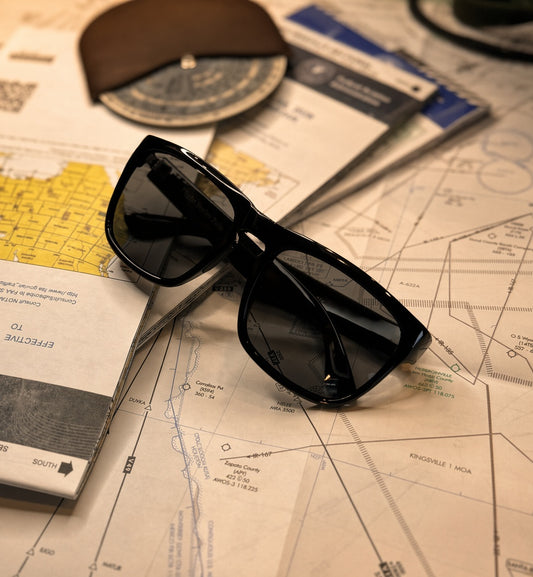
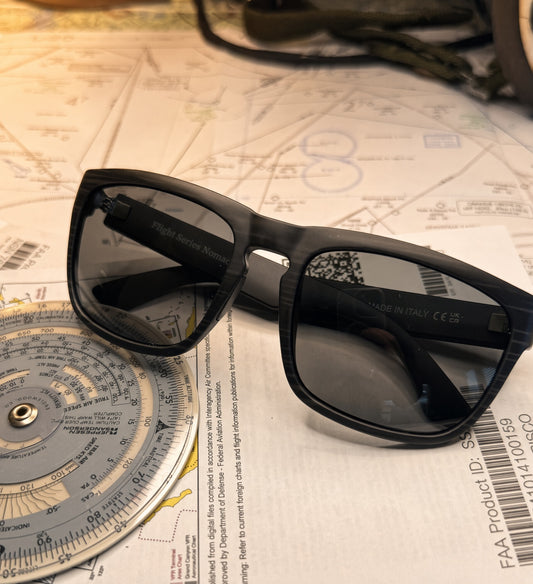
Flight Series was built by military aviators for glare that does not give you a pass on the screens. Veteran-owned. The Maverick and Ghost are $59. The Pilot’s Pair is $89. Pilot Polarized, UV400, ANSI Z80.3, TR90 frames, free U.S. shipping. Not tested or verified on HUDs.
“Compatible” and “Pilot Polarized” mean many MFDs and LCDs stay usable compared with traditional polarized lenses. They do not mean the screen stays fully bright at every angle. Dimming can still happen. Test your own panel before you rely on the pair.
Who This Is For
Private pilots, students, and CFIs flying VFR into shorter days — especially anyone who has squinted through a west-facing final this month.
Why This Month Matters
The autumn equinox already happened. Days are getting shorter. In most of the U.S., daylight saving time is still scheduled to end Sunday, November 1, 2026, when clocks fall back an hour. After that, afternoon legs put the sun even lower on the nose.
Glare has shown up in accident reports on takeoff, approach, and landing — often in otherwise “good” visual conditions. You do not need a lecture. You need lenses that cut bounce off the canopy without taking the glass panel with them.
More on screens: MFD-Compatible Sunglasses for Pilots.
Garmin flying: Best Sunglasses for Garmin G1000 and Glass-Cockpit Pilots.
Tint choice: Best Lens Tint for Pilots in 2026.
What to Demand for Fall
1. Pilot Polarized / MFD-LCD compatible
Low sun is horizontal glare. Traditional polarization fights that glare and the display.
2. Full UV400
Lower sun is still UV. Why UV protection matters.
3. ANSI Z80.3
Sunglasses impact standard. Not ballistic.
4. Headset-friendly TR90
You will wear them for the whole pattern, not two minutes on downwind.
5. A spare in the bag
Fall cross-countries and holiday trips. Pilot’s Pair.
Start here:
→ Maverick — $59
→ Pilot’s Pair — $89
Pouch, cloth, mystery patch. Free U.S. shipping.
The Lineup
Classic Series
-
Maverick — $59
Best for: Bright westbound afternoons.
→ Shop the Maverick -
Ghost — $59
Best for: Lower profile under the headset.
→ Shop the Ghost -
Pilot’s Pair — $89
Best for: One pair in the airplane, one in the car for the drive home after dusk.
→ Get the Pilot’s Pair
Mission Series
-
Alpha — $89
→ Shop the Alpha -
Zulu — $89
→ Shop the Zulu -
Nomad — $89
→ Shop the Nomad -
Ember — $89
→ Shop the Ember
What to Skip
- Taking the glasses off on short final because the MFD went dark
- Traditional polarized driving sunglasses
- Photochromics that never quite darken behind the windshield
- Flying the last hour of daylight with no UV400 pair in the bag
Students heading into checkride season: The Best Sunglasses for New Pilots.
Frequently Asked Questions
Do I still need sunglasses if sunset is earlier?
Yes. The problem is the angle, not how long the day is.
Will the G1000 stay perfectly clear?
No promise of that. Compatible means many digital displays stay usable. Dimming can still occur. Test yours.
When do the clocks change?
Under current rules, most of the U.S. falls back November 1, 2026. Plan afternoon legs accordingly.
Bottom Line
Fall glare sits on the nose. Buy lenses that cut it and still let you work the panel.
Maverick and Ghost are $59. Pilot’s Pair and Mission Series are $89. Free U.S. shipping.
See Your Mission Clearly.
Related Reading